
Stage index
The stages of perimenopause, and the year everyone miscounts
Ask when perimenopause ends and most answers stop at your last period. STRAW+10, the staging system every current guideline actually uses, says something else: it ends twelve months after the final period, at the close of Stage +1a. That year in between is not an epilogue. It is the last stage. This page indexes the three pages that cover where the sequence starts, where it ends, and why no test can tell you either.
Free. No email required. No signup required. Takes about 2 minutes. Scored entirely in your browser: your answers are never stored or sent anywhere. Your score is shown next to the average for your age band.
What the stages actually are
STRAW+10 replaced the original seven-stage system in 2012, and both stage you by your bleeding pattern, not your age and not your symptoms. That is deliberate: no universal menopausal syndrome has been established across ethnic groups, so symptoms cannot carry the definition, and the workshop behind the system set out criteria meant to apply regardless of age, ethnicity, body size or lifestyle.
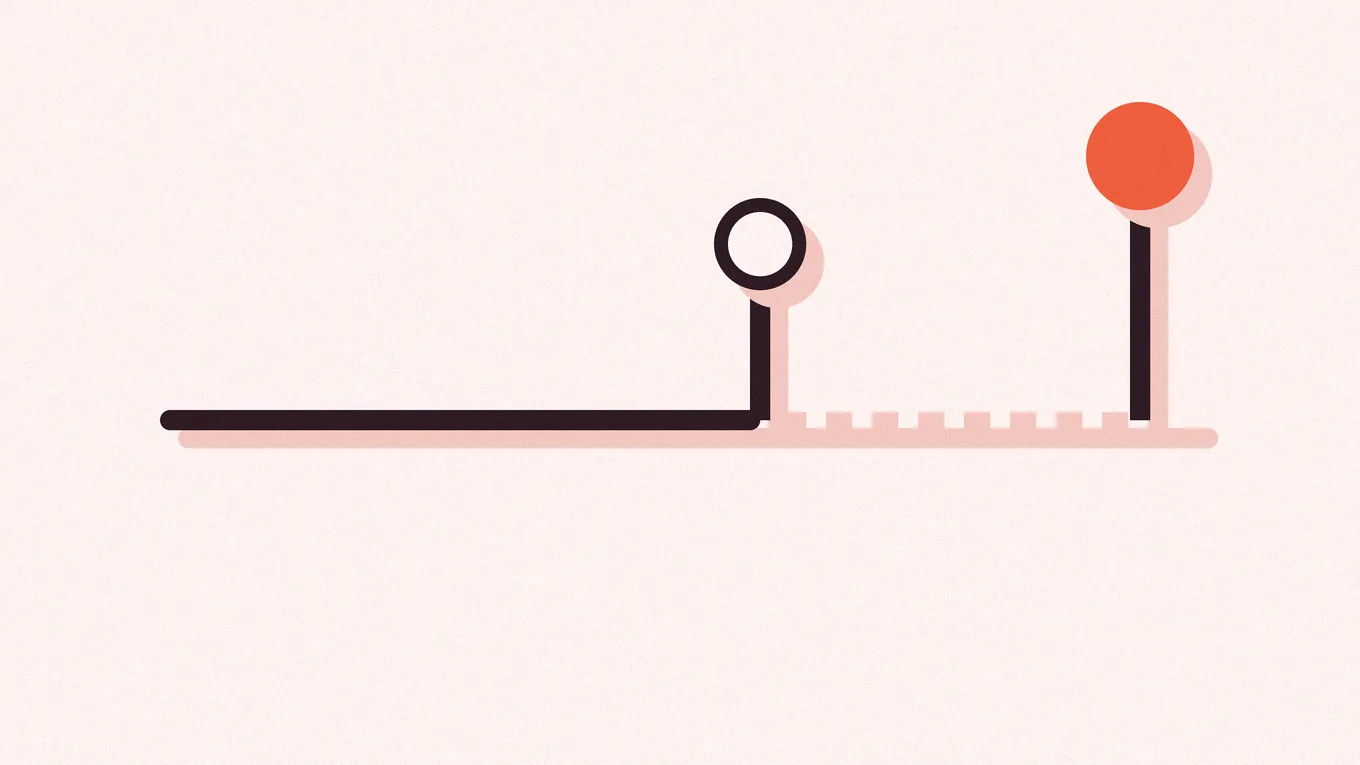
One consequence surprises people every time. Perimenopause begins at Stage -2, the first persistent seven-day swing in cycle length, and it does not end at your final period. It ends twelve months after it, at the close of Stage +1a. The silent year after your last period is not what comes after perimenopause. It is the last part of it.
Three ways to place yourself in it
None of the three below need a lab result. All three work from your own cycle and your own timeline, which is also what the guidelines use.
- Every stage, mapped. All ten stages plus the final period itself, what defines each one, and why the system ignores your age on purpose. Start here for the whole map before placing a pin on it. Read the stages.
- Check your own stage. The one sign that actually means something is a gap of sixty days or more without a period, which marks the late stage, the one before your final one. Almost everything else people call a sign is either a symptom that can show up at any stage, or something only visible in hindsight. Check your stage.
- Why a test cannot shortcut this. Hormone levels swing too widely week to week to settle the question, so guidelines identify perimenopause from symptoms, age and cycle pattern instead. Testing does earn its place in a few specific situations, and this page walks through each. Read what a test can and cannot tell you.
Why the extra year is worth knowing about
Knowing the silent year still counts changes what you do with it. It is not a sign that anything is wrong when periods have stopped and the rest of the pattern has not. It also means nobody, including you, can know the date of your final period while it is happening. Stage 0 is only identifiable in retrospect, twelve months later, by counting backwards.
That is also why no test and no tool, including the two on this site, can tell you in advance when your last period will be. Anything that claims otherwise is overselling what the staging system itself can do.
Common questions
When does perimenopause actually end?
Twelve months after your final menstrual period, not at it. STRAW+10, the staging system current guidelines use, is explicit that perimenopause begins at Stage -2 and continues through the close of Stage +1a, twelve months after the last period. The year without periods that most consumer coverage treats as "after" perimenopause is, by the actual staging system, still part of it.
Do the stages of perimenopause go by age?
No. STRAW+10 stages you by your bleeding pattern, with hormone levels as supporting evidence, and one of its founding principles is that the criteria are independent of age, symptoms and pathology. Two people the same age can sit three stages apart. The one exception is onset before 40, which is investigated separately as premature ovarian insufficiency.
Can a blood test tell me what stage of perimenopause I am in?
Not reliably. Hormone levels swing too widely from week to week during the transition to settle the question, which is why guidelines identify perimenopause from your symptoms, age and cycle pattern rather than a lab result. Testing does have a place in specific situations, covered on the perimenopause test page linked above.
What is the one sign perimenopause is ending?
A stretch of sixty days or more without a period, which STRAW+10 uses to mark the late menopausal transition, the stage before your final period. It is the only widely agreed marker for that stage. Almost everything else commonly listed as a sign is either a symptom that can appear at any point in the transition, or something only visible in hindsight.
 Perimenopause symptoms
 The research behind this site
Start with the pattern, not the calendar
Nineteen symptoms across four domains, plus your cycle, scored against the average for your age band and printable for the appointment.
Nobody can tell you the date. The pattern is the part you can actually check.
Take the 2-minute checkFree, no email, no signup. Scored entirely in your browser. Screening, not diagnosis. No provider is linked from this page and nothing on it is sponsored.